One thing about modern life that’s a given is that we try to make things as efficient as possible. We are all busy and we all want to do as much as we can in the limited time we have.
It’s clearly a worthy pursuit. Managers at work will praise you. Friends at dinner will boast about their latest hacks. Our social feeds are filled with influencers and marketers pushing the newest product that will help you save time, especially at the start of a new year.
Everything around us reinforces the idea of becoming more efficient.
Just for a moment though, step off the treadmill, and ask yourself: why do you want to be more efficient? What is the point of this efficiency? What do you want to do with the time you save if you achieve it?
I was surprised by some of the answers I got, and I bet you will be too. On reflection, there are still plenty of things in life I’d like to be more efficient at. But what I quickly realized is that on the most meaningful things efficiency comes in the way of real progress.
Let me share one concrete example where I’ve found that adding more friction is bringing me better results: better writing (and thus better thinking).
I came of age writing on the internet, starting with blogging. So all writing was squiggly lines on a screen that appear with thuds on a keyboard. Last year, I started writing long hand… with paper and pen. First it was journaling, then letters and eventually first drafts of some stories. This post, too, started on paper.
The result: I’ve found myself becoming a calmer thinker and a better writer.
The act forces you to think a little more before committing pen to paper. Every word matters just a little more and every paragraph is a bigger decision. (Of course, I can always scratch things out. Most of the paper will go unseen by another person. But there is such pleasure in a neat written page.)
Much of writing is about asking questions. Too often, thanks to AI and superfast internet, I’m tempted to try to find those answers by searching right at the instant the question appears in my mind. I can’t do that on pen and paper, so I have a notes section where I jot down questions for later and I persist with the writing.
That little bit of friction, which is irritating at first and gets more annoying the longer I stay away from the screen, is also producing better results. I am able to sit longer in the discomfort of a bad sentence, in the inadequateness of being unable to find the right word or statistic, in the temptation that reading something will help me break through.
The fact that the paper cannot talk back to me or reveal new facts about the world means I have to look deeper in my mind to find what I need. That, in turn, forces me to spend my time reading, listening, interviewing with the goal of preparing my mind for my next writing session.
Try adding a little friction in the pursuits you find most meaningful.
Author: Akshat Rathi
One tree. One grand success story.
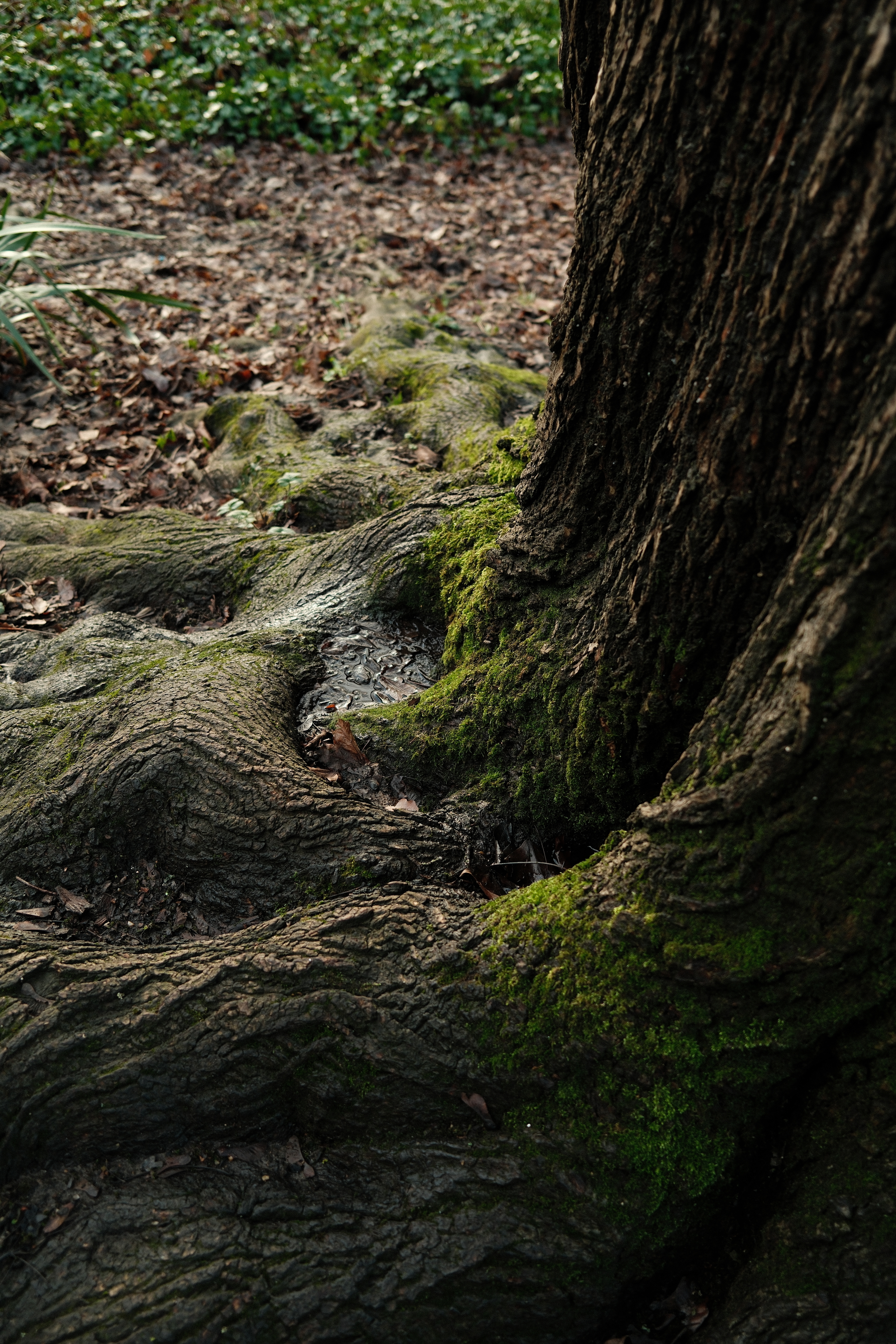
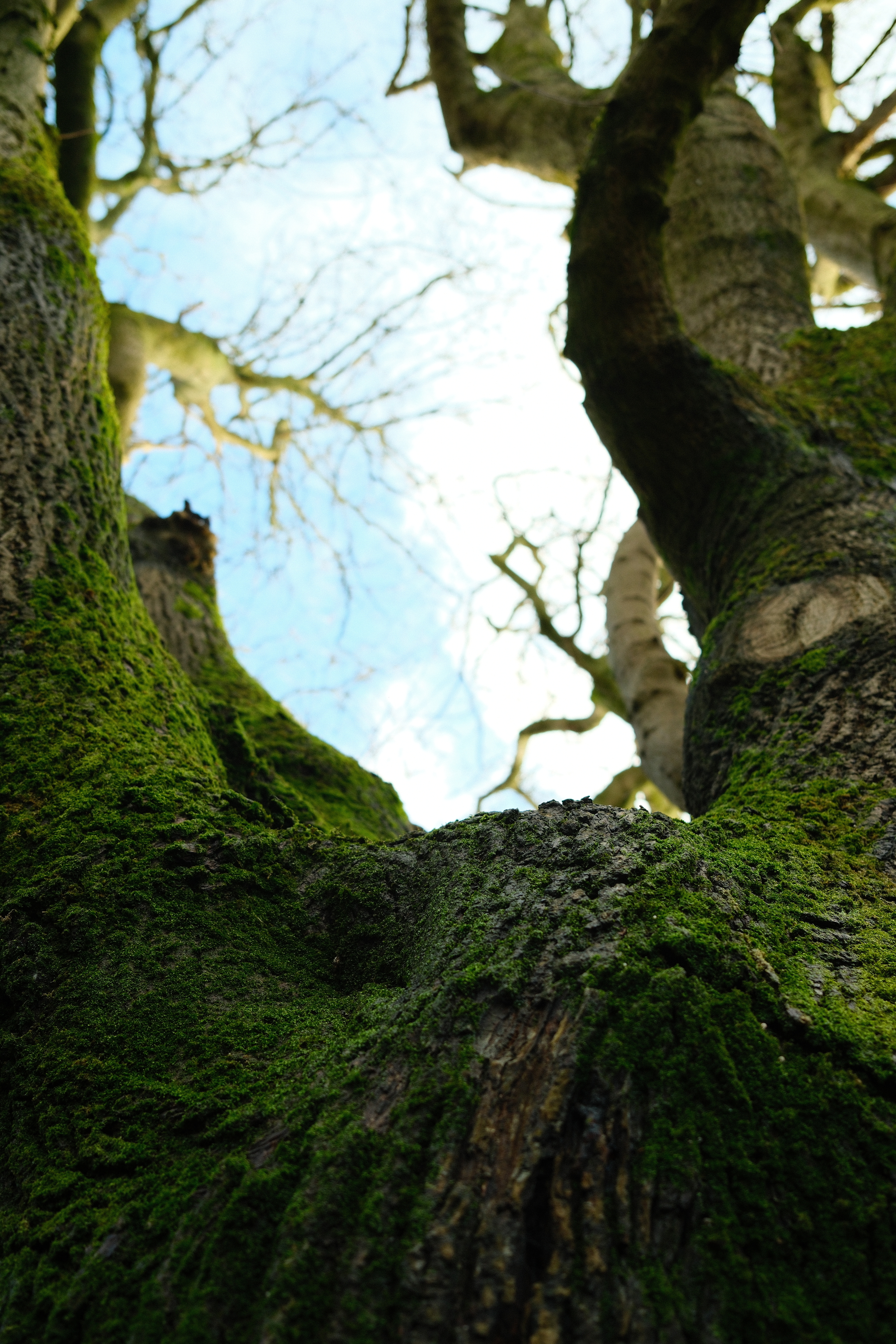
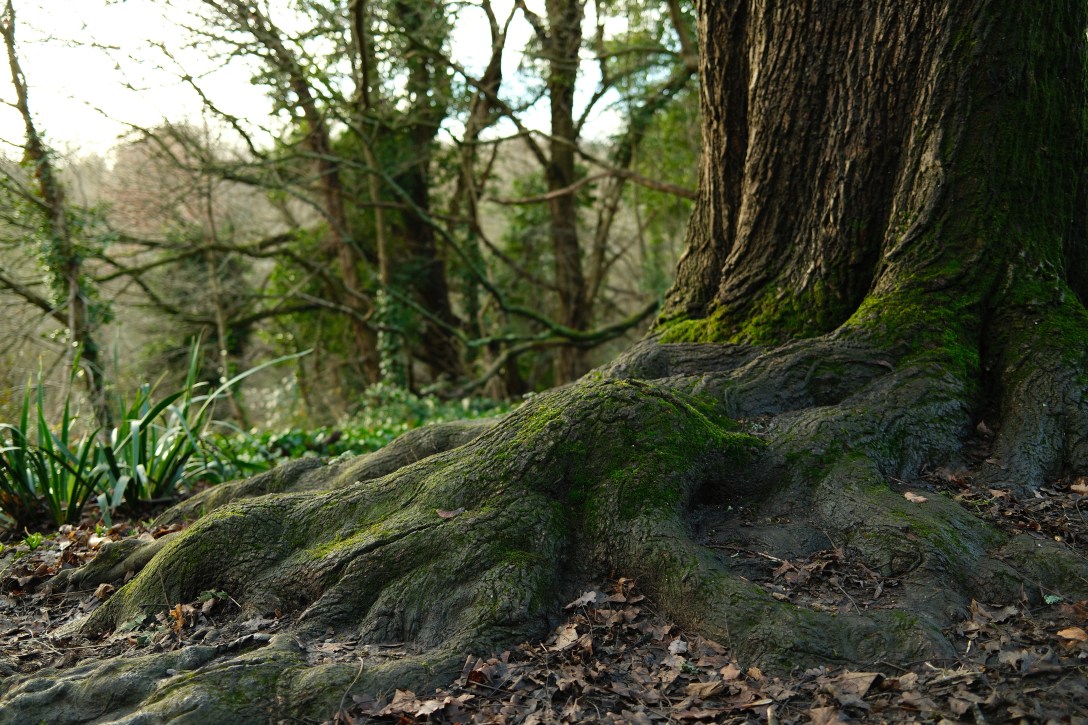
It’s January and you deserve stories of how good actions can lead to grand outcomes in the long term. I’ve got just the one based on this one tree in London’s Hampstead Heath.
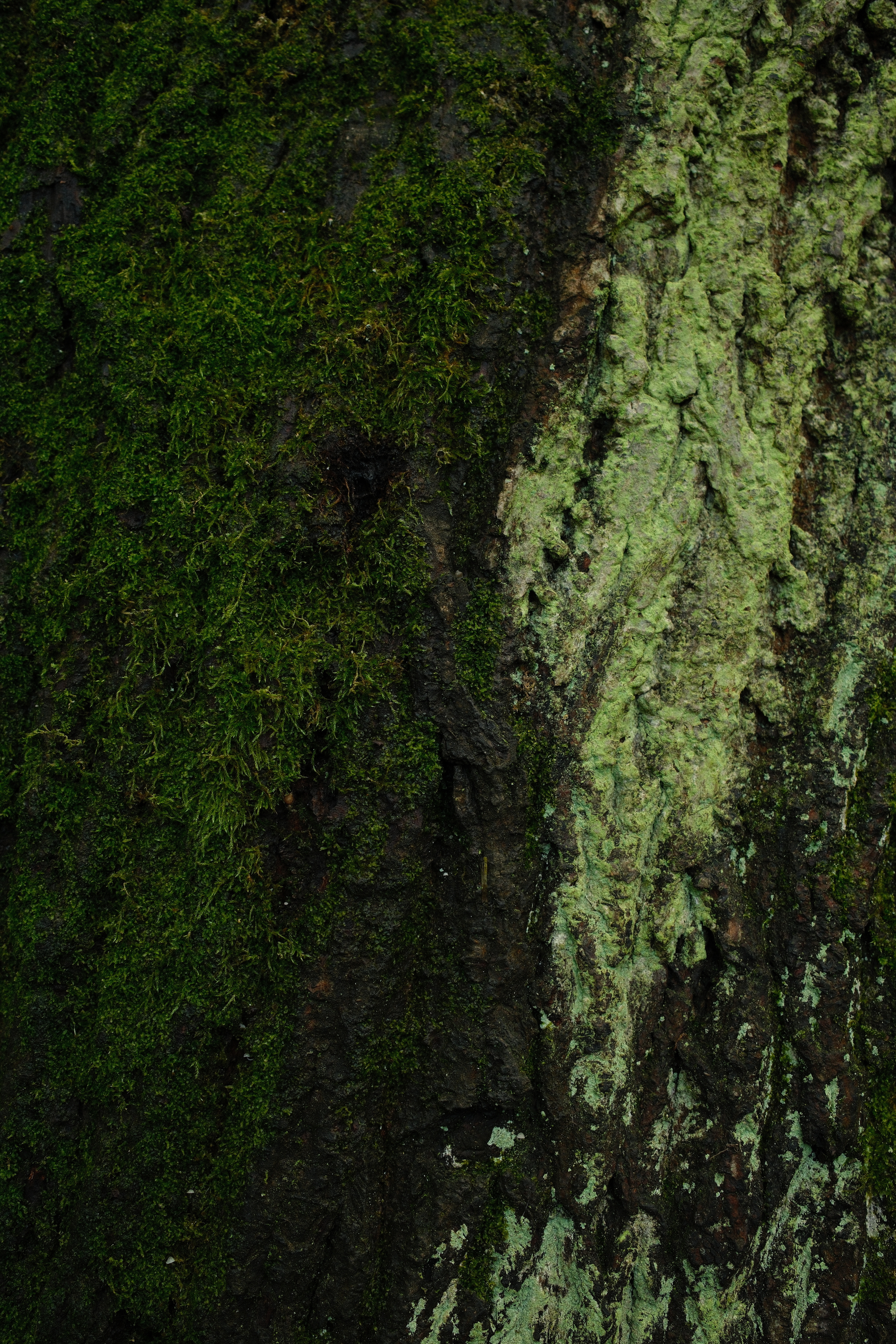
The kinds of mosses, lichen, algae and other epiphytes growing on trees in London is directly the result of the Clean Air Act of 1956 and 1968. That’s because those acts put restrictions on sulfur pollution, which was killing epiphytes. London had become a “lichen desert” says Jeff Duckett, emeritus professor of botany at Queen Mary University of London. In the decades since, lichens have made a come back. (As a side: some lichens can live for more than 8,000 years.)
Then later, further growth of epiphytes — essentially any plant-like thing growing on a plant — that is commonly seen on tree barks around London resulted from low-emissions zone introduced in 2008. That regulation led to reduction in nitrogen (NOx) emissions, which had continued to hold back epiphyte growth.
This is a beautiful tree, but nothing out of the ordinary. You may walk past without a second thought. But those things growing on it are actually a huge success story.


Three messages for India’s green future
On Nov. 29, my book Climate Capitalism won the business book of the year award at the fifth Green Literature Festival. Here’s my acceptance speech:
Thank you to the organizers of the Green Literature Festival and to the jury of judges for this award. I’m really pleased to receive it and sad that I can’t be there in person with you.
I’d like to take this opportunity to leave you with three messages. They are linked to the three factors that I lay down in Climate Capitalism that are necessary for success in fighting climate change: people, policy and technology.
Let me start with technology, because it’s perhaps the easiest. The vast majority of the emissions problem can be tackled with two steps: electrify as much of the economy as possible and decarbonize electricity. Most of the technologies that India needs to get itself on track to take these two steps now exist, which is more than the solar story I was able to capture in the book through the work that ReNew has done.
Second is policy. When we talk about policy in India, the first thing that comes to mind is that India has to tackle basic issues like corruption, lack of professionalism and votebank politics, before it can turn its policy into effective outcomes. And, yet, India has shown that when it is strategic – geopolitically and economically – then it can make policy work.
That happened in the case of solar through SECI, the Solar Energy Corporation of India. Most recently, India is attempting to do something similar with its rare-earth magnets manufacturing program. For a resource poor country like ours, good policy can make a huge difference despite its many governance challenges.
Third and this is the most important one: people. I grew up in Nashik in Maharashtra, but have spent my adult life since the age of 21 in the UK, the country that is seen as a global climate leader. That’s the case not because it’s a rich country, just look at the US, Canada or Australia – they are not classed as climate leaders. But it happened because there was enough political will among citizens, academics and politicians to have a progressive outlook on climate change.
It is also now the country that is seeing a fracturing of the climate consensus with people feeling the pinch of recent years of inflation. Opportunistic politicians are trying to blame it on climate policies without good reasons. We’ll see if they succeed, but the lesson is clear: if a rich country’s citizens whose basic needs have been met can’t be convinced to care about climate change… something that will certainly impact their lives, what hope do we have in India, a poor country where we are far from meeting basic human needs?
The answer lies in people. Over the past decade, as I’ve covered climate issues around the world, I’ve seen more and more people be engaged with the topic. Not just in cursory ways, such as reading a news story and feeling outraged, but in deep ways, such as dedicating their careers to tackle this problem. This Green Literature Festival is a case in point and I’m so glad to see it’s been going since 2021.
India has no choice but to tackle climate change. India is among the world’s top 10 countries ranked by vulnerability to climate change. It’s the most populous country in the world, which means when the impacts occur we will also see among the greatest damages caused to humans.
So it’s down to people like you to ensure that citizens of India can see why it’s in their benefit to act on climate change and why they must vote in the politicians who understand the urgency to act and why they must choose to do business with firms that are green.
This call for people power might feel particularly hard right now. At a time when citizens barely have a voice against visible air pollution. How can we start to tackle invisible carbon dioxide pollution? Well, that’s the hard challenge we face today and it’s a worthy challenge because the solutions needed to deal with carbon dioxide are often also the solutions that will help people breathe cleaner air pollution, eat more nutritious food, build stronger communities, reduce poverty and create an economy fit for the 21st century. The task is clear and the benefits are immense.
Thank you!