How Much Is Decided Even Before Birth?
“The daughter of Virata… (was) exceedingly afflicted by grief on account of the death of her husband…they all feared that the embryo in her womb might be destroyed.” – The Mahabharata (~500 BC).
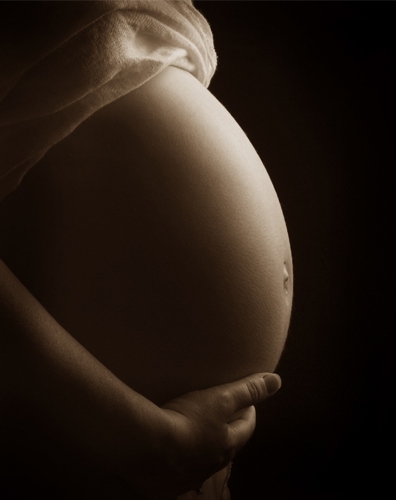
This quote from the Mahabharata, and many other examples from literature, reiterate the sentiment that the emotional state of a mother affects her unborn baby. In more recent times researchers have started to meticulously gather scientific evidence to show how exactly the growth and development of the foetus is jeopardised by a variety of intra-uterine stimuli, particularly maternal anxiety, depression and stress.
A study by Glynn and co-workers of the babies of 29 Californian women who were exposed to an earthquake during their pregnancy showed them to have been born at an early gestation, while another study by Engel and co-workers showed that pregnant women who either lived in close proximity to or escaped from one of the towers involved in the September 11 disaster delivered their infants at later dates than normally expected. Interestingly, these effects of stress during pregnancy are not merely limited to birth outcomes when babies of rodents and rhesus monkeys were exposed to laboratory induced stressors during pregnancy, they showed deficits in motor development, learning and exploratory behaviour and were unable to cope effectively in stressful situations.
Human inquiries undertaken by a variety of research groups in the U.S.A, U.K. and the Netherlands initially showed anxiety and depression during pregnancy to be associated with adverse birth outcomes, difficult temperament, emotional and behavioural problems and even attention deficit symptoms in their infants. Impairments in cognition such as learning and language abilities were soon added to the spectrum, and some studies even demonstrated that these effects persist into adolescence. Recently, a study from researchers at Cardiff University and King’s College London showed that adolescent children of mothers who were depressed during pregnancy were 6 times more likely to commit acts of violence, display antisocial behaviour and be arrested. This was found to be independent of their family and social environment. These are just examples of the many research projects undertaken to prove the adverse effects of prenatal stress on child development.

Interestingly however, findings from studies conducted by DiPetro and colleagues at Johns Hopkins University, U.S.A have shown that mild to moderate amounts of psychological stress during pregnancy can benefit child development. Though these positive effects observed in infant cognition and behaviour are modest, they are consistent findings. Moreover this study presents a convincing argument against the accepted norm that prenatal psychological distress poses a significant threat to child development.
So how much of our life is decided from foetal origins? The ‘thrifty phenotype’ hypothesis proposed by Prof. D. J. P. Barker , seeks to explain the developmental origins of health and disease. It predicts that restrictions on the growth of the foetus within the womb are responsible for a higher incidence of heart disease and type 2 diabetes. It has been seen that in response to under-nutrition during foetal growth permanent metabolic and endocrine changes occur which will be beneficial if nutrition remains scarce after birth. But if after birth nutrition becomes plentiful then these changes predispose to obesity and impaired glucose tolerance. Simply put, the evolutionary purpose of this response is to prepare the developing offspring for the particular environment in which it will find itself after birth.
It is interesting to note however that all these studies on foetal and infant development have originated in the western world, where high levels of nutrition, education and socio-economic well being are seen in the study participants and where, more importantly, only 11% of all annual global pregnancies occur. The remaining 89% of global pregnancies occur in the developing world which amount to 146 million births annually.
To bridge this divide, Dr. Michelle Fernandes, a D.Phil. candidate at the Department of Psychiatry, University of Oxford, designed the Solur Mother and Baby Project. This study was carried out in Solur, a village in rural South India (60 miles from the city of Bangalore) in collaboration with St. John’s Medical College Hospital, Bangalore and Snehalaya Hospital, Solur. The study runs in three phases – a prenatal, birth and postnatal phase. With both the nature and magnitude of psychosocial stressors being different from those of the western world, Dr. Fernandes is currently investigating foetal heart rate patterns, birth outcomes and, infant growth, temperament and stress responsivity. In other words, she is studying the effects of prenatal stress on the neurobiobehavorial development of children thus establishing a study which is first of it’s kind in Asia.
It is studies like these that demonstrate just how much is decided before we are born. And more so, they reveal the urgent need for reduction of psychiatric morbidity in current populations, not only for the sake of those affected now, but also for the sake of the generations to come.

DiPietro, J., Novak, M., Costigan, K., Atella, L., & Reusing, S. (2006). Maternal Psychological Distress During Pregnancy in Relation to Child Development at Age Two Child Development, 77 (3), 573-587 DOI: 10.1111/j.1467-8624.2006.00891.x
Also published at Matter Scientific, Cherwell’s Science Blog.

 Akshat Rathi