The day when roads will harness solar energy is drawing near

There are some 60 million kilometers (37.3 million miles) of roadways in the world, just sitting there. But adapting these surfaces to do anything besides passively carry traffic has proved difficult and prohibitively expensive.

However, an idea has gained traction in the last few years: embedding solar cells in roads. In 2014, an American couple launched the Solar Roadways project and collected more than $2 million on the crowdfunding site Indiegogo. Their effort, however, is much farther from reality than the Netherlands-based consortium SolaRoad, which has been operating a 70-meter (230-foot) cycle path that generates enough electricity for one or two households.

Read more on Quartz, published May 15, 2015.

Image by SolaRoad.

Most children are happy no matter what, but materialism catches up eventually

A new survey of 53,000 children across 15 countries reveals that children tend to be happy regardless of the context of their lives. From Nepal to Norway, children between the ages of 10 and 12 say that they are largely satisfied with their lives.

“Children tend to be more optimistic in life,” Elisabeth Backe-Hansen, the Norwegian lead researcher for the Children’s World Survey, told Quartz. Though not surprising, it is reassuring.

But material depravation eventually catches up. Find out how on Quartz, published May 16, 2015.

Image by Yansen Sugiarto under CC-BY-ND

This new synthetic material could get rid of that horrible airplane noise

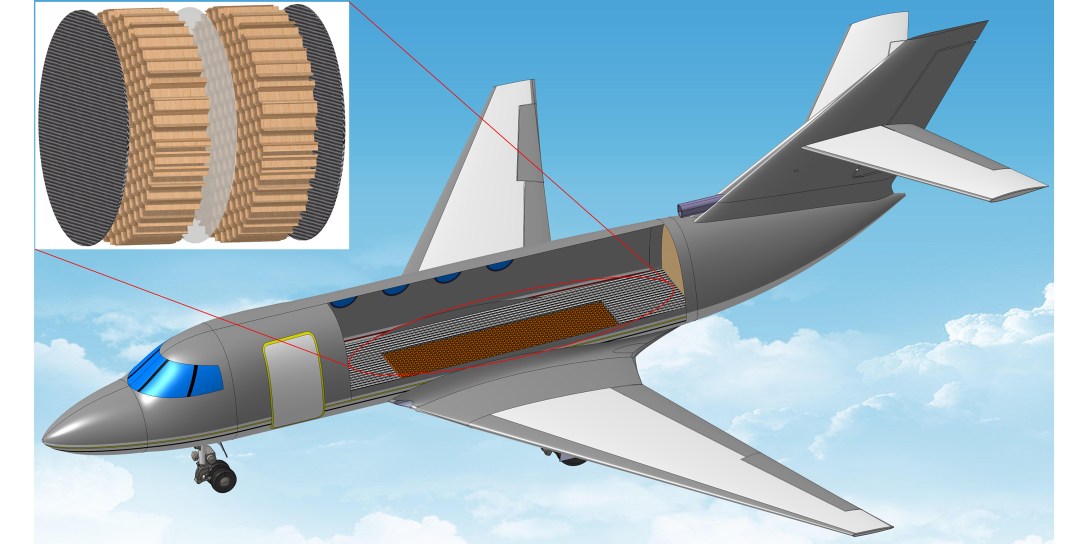
While airplane noise may not have any long-term effect on a person’s hearing abilities, many find the experience unpleasant. And the reason some of us have to suffer through this is because planes are built to be light.

The ceilings and floors of airplanes use a honeycomb structure, which provides strength without adding much weight. Sadly, this structure is also very effective in letting sound through. So all the unwelcome sounds of jet engines and rotor blades get plugged right in to your ears.

There may now be a solution. Find out on Quartz, published April 28, 2015.

Image by Yun Jing.