Just add a little friction

One thing about modern life that’s a given is that we try to make things as efficient as possible. We are all busy and we all want to do as much as we can in the limited time we have.

It’s clearly a worthy pursuit. Managers at work will praise you. Friends at dinner will boast about their latest hacks. Our social feeds are filled with influencers and marketers pushing the newest product that will help you save time, especially at the start of a new year.

Everything around us reinforces the idea of becoming more efficient.

Just for a moment though, step off the treadmill, and ask yourself: why do you want to be more efficient? What is the point of this efficiency? What do you want to do with the time you save if you achieve it?

I was surprised by some of the answers I got, and I bet you will be too. On reflection, there are still plenty of things in life I’d like to be more efficient at. But what I quickly realized is that on the most meaningful things efficiency comes in the way of real progress.

Let me share one concrete example where I’ve found that adding more friction is bringing me better results: better writing (and thus better thinking).

I came of age writing on the internet, starting with blogging. So all writing was squiggly lines on a screen that appear with thuds on a keyboard. Last year, I started writing long hand… with paper and pen. First it was journaling, then letters and eventually first drafts of some stories. This post, too, started on paper.

The result: I’ve found myself becoming a calmer thinker and a better writer.

The act forces you to think a little more before committing pen to paper. Every word matters just a little more and every paragraph is a bigger decision. (Of course, I can always scratch things out. Most of the paper will go unseen by another person. But there is such pleasure in a neat written page.)

Much of writing is about asking questions. Too often, thanks to AI and superfast internet, I’m tempted to try to find those answers by searching right at the instant the question appears in my mind. I can’t do that on pen and paper, so I have a notes section where I jot down questions for later and I persist with the writing.

That little bit of friction, which is irritating at first and gets more annoying the longer I stay away from the screen, is also producing better results. I am able to sit longer in the discomfort of a bad sentence, in the inadequateness of being unable to find the right word or statistic, in the temptation that reading something will help me break through.

The fact that the paper cannot talk back to me or reveal new facts about the world means I have to look deeper in my mind to find what I need. That, in turn, forces me to spend my time reading, listening, interviewing with the goal of preparing my mind for my next writing session.

Try adding a little friction in the pursuits you find most meaningful.

One tree. One grand success story.

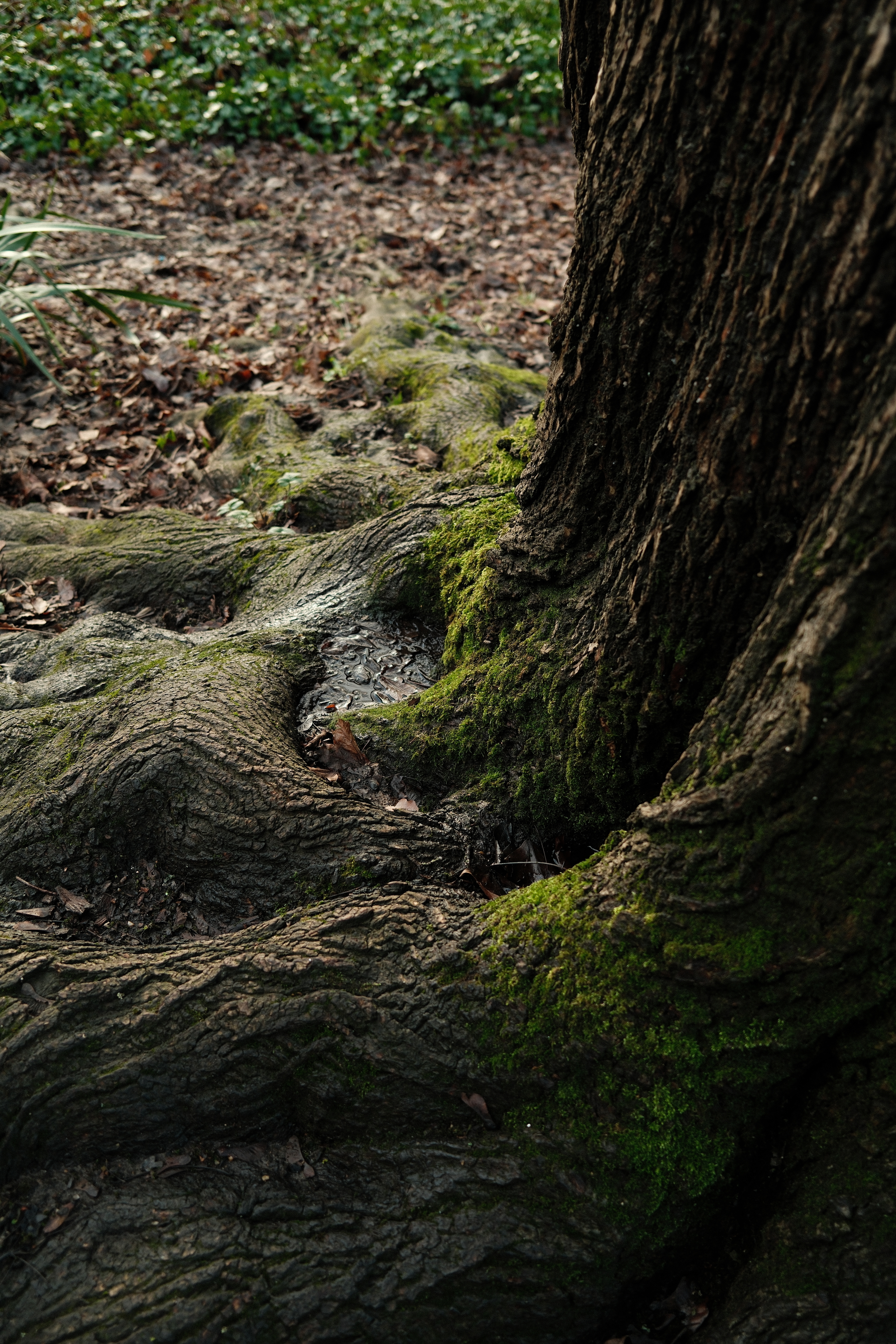
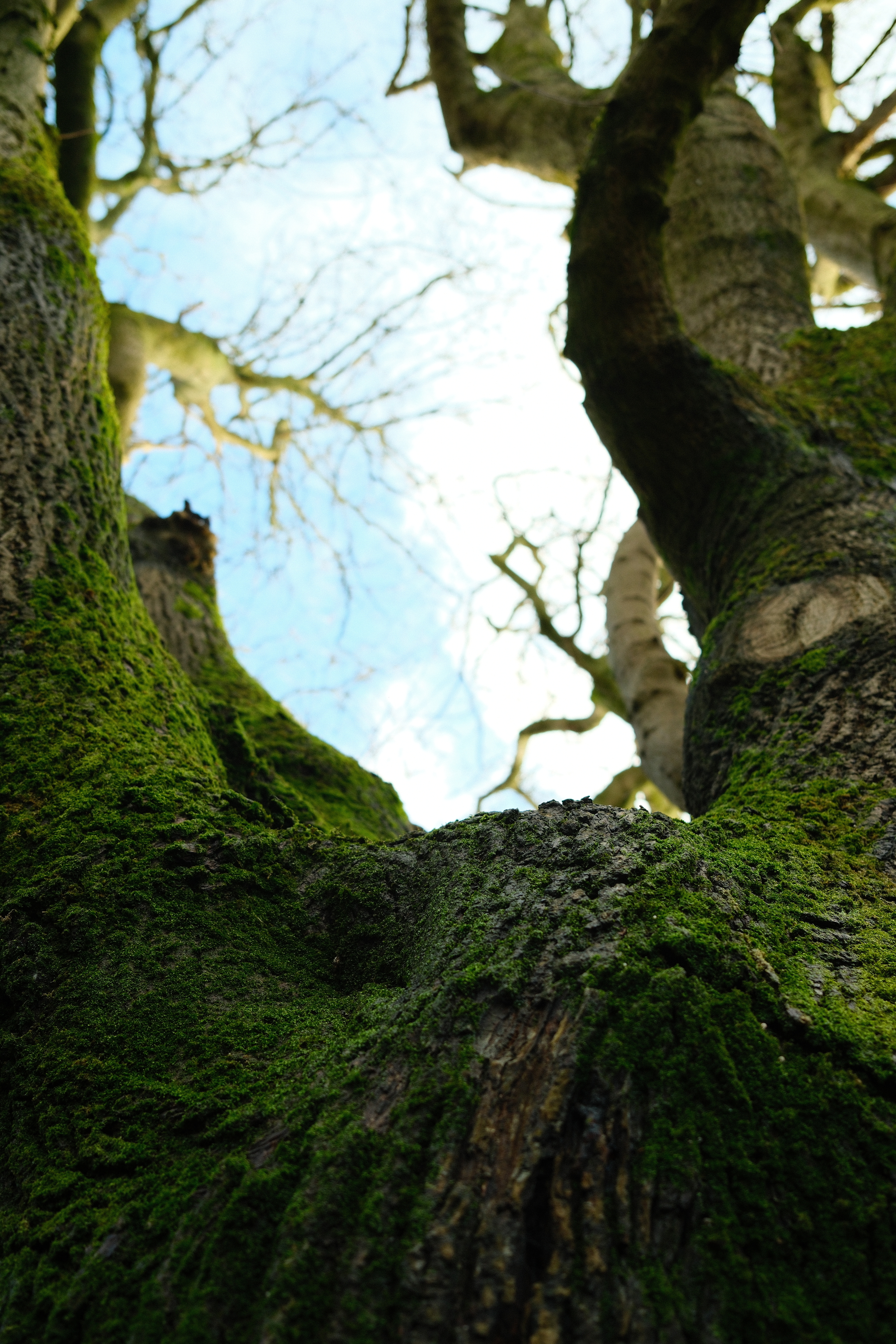
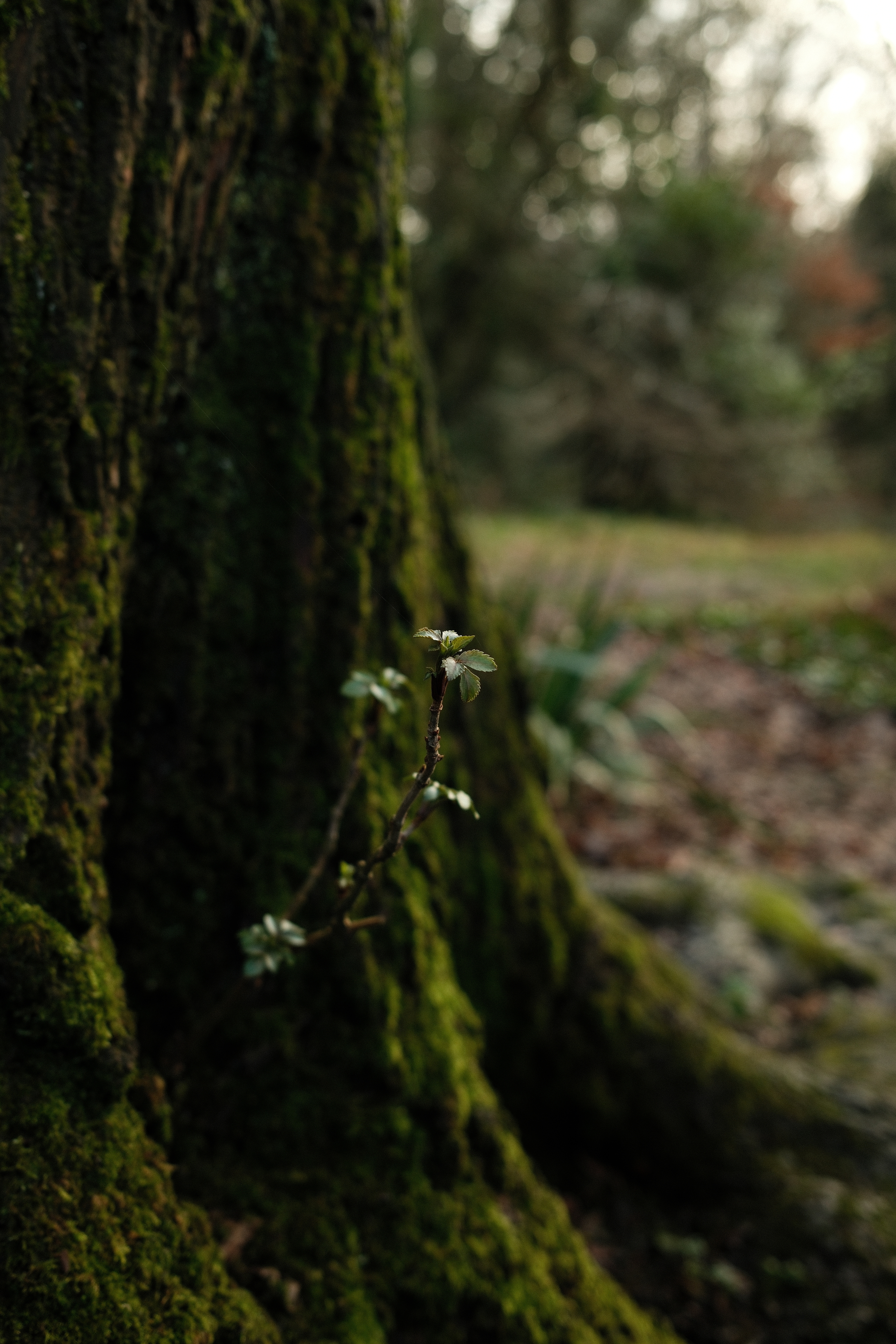
It’s January and you deserve stories of how good actions can lead to grand outcomes in the long term. I’ve got just the one based on this one tree in London’s Hampstead Heath.

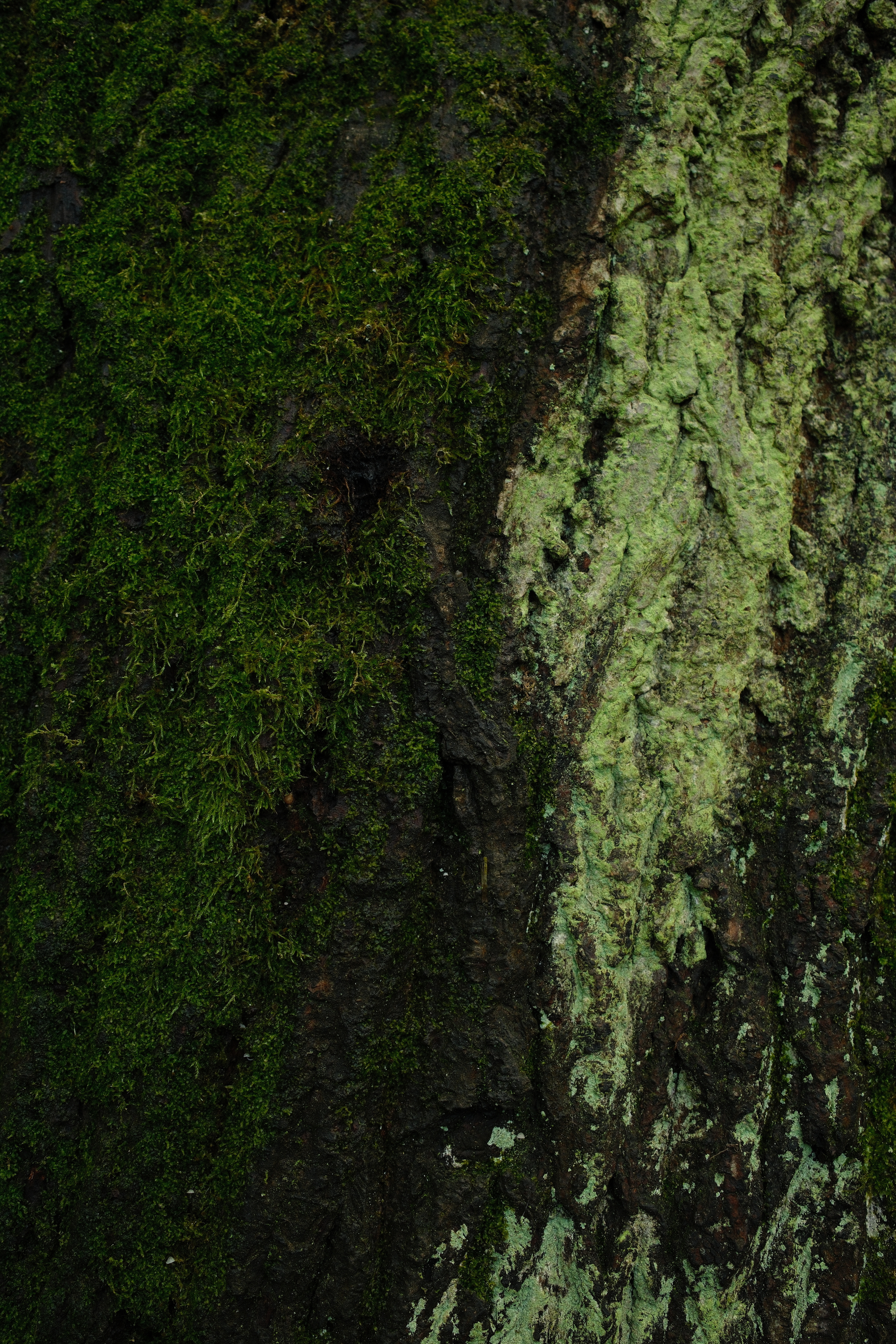
The kinds of mosses, lichen, algae and other epiphytes growing on trees in London is directly the result of the Clean Air Act of 1956 and 1968. That’s because those acts put restrictions on sulfur pollution, which was killing epiphytes. London had become a “lichen desert” says Jeff Duckett, emeritus professor of botany at Queen Mary University of London. In the decades since, lichens have made a come back. (As a side: some lichens can live for more than 8,000 years.)

Then later, further growth of epiphytes — essentially any plant-like thing growing on a plant — that is commonly seen on tree barks around London resulted from low-emissions zone introduced in 2008. That regulation led to reduction in nitrogen (NOx) emissions, which had continued to hold back epiphyte growth.

This is a beautiful tree, but nothing out of the ordinary. You may walk past without a second thought. But those things growing on it are actually a huge success story.

20 health lessons from “Trust me, I’m a Doctor”

The BBC ran an excellent third series of three episodes of “Trust Me, I’m a Doctor”. You can dig into all their conclusions here. Here are the take away lessons from it:

  1. Marinating meat in beer (or wine) can help reduce the formation of polycyclic aromatic hydrocarbons—known are known to be cancer-causing agents—during barbecuing.
  2. Cramps are only caused by exhausted muscles, not because of lack of salt or water. Best way to relieve it is to stretch the muscle that is cramping. To prevent more cramps from happening, try putting a pillow under the muscle, which will gently stretch it.
  3. More than one in four health supplements don’t contain what they claim to contain. Don’t think high price indicates high quality. In the UK, look for the THR certification mark.
  4. Ear buds don’t remove ear wax. If anything, they make it worse. We should leave ear wax where it is.
  5. Rosemary aroma can improve memory by about 10%, because of the way the aromatic chemicals interact with our brain. Lavender smell, on the other hand, can make us feel sleepy.
  6. The claims that overweight people may be protected against dementia doesn’t stand up, because researchers used the flawed metric of BMI. The best way to protect against dementia remains getting fit by keeping active and cutting belly fat. Socializing and learning a new skill are definitively helpful.
  7. The use of soap, shower gel, and shampoo is best minimized. These “detergents” remove the beneficial oils that our body secretes. Using moisturizers to replace some of these healthy oils is only a cycle of illogicality.
  8. To stop snoring: 1. avoid alcohol 2. lie on your side 3. try a nasal strip or a mouth piece. The best solution, however, is a simple set of exercises. Done 2 mins at a time at least 3 times a day. Roll your tongue on to the top and bottom palate (once each) and hold. Open your mouth as wide as possible and say “AAAAA.”
  9. A lot of shoes are too high, too flat and too small. Wearing such shoes affects are posture, putting us at greater risk of osteoarthritis, knee pain and back pain. The solution is to get shoes of the right size, use cushion on heels, and avoid using high heels altogether. Some foot exercises using a tennis or a golf ball to massage the foot or picking marbles with the foot can go a long way to keep your feet healthy.
  10. How to stop a hiccup? Try to get your attention on something else (hold lemon wedge in your mouth, drink lots of water slowly, breathe slowly). Try exercising the diaphragm by holding your knee to your chest.
  11. How to prevent lyme disease? If you are outdoors, check your body for ticks. If you are bit by a tick, look out for symptoms such as a bad rash, headache, fever, and muscle pain.
  12. Fecal transplants work, at least in the case of those with Clostridium difficile infections. Other uses are under trials, and the initial results seem promising.
  13. Could a DNA-test mediated diet help us to lose weight better? Probably not. We just don’t know enough. Trials are on and may tell us more soon.
  14. How can you prevent heart disease? Lowering cholesterol, lowering blood pressure, and stop smoking. Try lowering salt intake. Doing exercise. Taking statins works. Aspiring should be used only if you have had a heart disease or stroke.
  15. The best way to lowering cholesterol by altering your diet: Cut animal fat (red meat, cheese). Increase fibre (oats, aubergines, nuts). The “portfolio” diet can work.
  16. To reduce cravings, imagine the situation of satisfying your craving. Your overall consumption should reduce.
  17. You can lose warts with duct tape. Stick it on, keep it for six days. When you remove it, try rid yourself of the dead cells. Repeat three or four times.
  18. For cooking and frying, use oil with more monounsaturated than polyunsaturates. So olive oil, groundnut oil and rapeseed oil. But not sunflower oil, corn oil and vegetable oil.
  19. Don’t waste your money on Manuka honey. There is no evidence that it is beneficial.
  20. Non-organic food in the UK contains only trace levels of pesticide and thus are no more harmful than organic food. And surprisingly frozen food can be as good as fresh food.

Here are links to lessons I learnt from the 2014 series and the 2013 series of “Trust Me, I’m a Doctor”.

Image by grasper. Published under a CC-BY-NC-ND license.