How Liberia finally got rid of Ebola

The World Health Organization (WHO) has declared that the Ebola outbreak in Libera is over, which means there haven’t been any new cases for the past 42 days. But the country remains on high alert, as new Ebola cases are still being reported in neighboring Sierra Leone and Guinea.

Stamping out an epidemic of a deadly infectious disease is a great achievement for any country. Liberia’s triumph is more remarkable still given the country’s poor access to healthcare.

Read more on Quartz, published May 9, 2015.

Image by European Commission under CC-BY-ND.

Villagers armed with smartphones can help stem the rising rate of suicides in India

The stigma attached to mental illnesses is hurting India. Few are brave to speak about it to someone and fewer still get treated. The result is that, for every 100,000 Indians between 15 and 29 years old, 36 commit suicide annually—the highest rate among the youth in the world.

Worse still, according to Vikram Patel, professor of mental health at the London School of Tropical Hygiene and Medicine and one of Time Magazine’s 100 most influential people of 2015, without urgent improvement in treating mental disorders, suicides will soon become the leading cause of death among the young.

Read more on Quartz. Also published in Lokmat Times.

Image credit: cgiarclimate under CC-BY-NC-SA license.

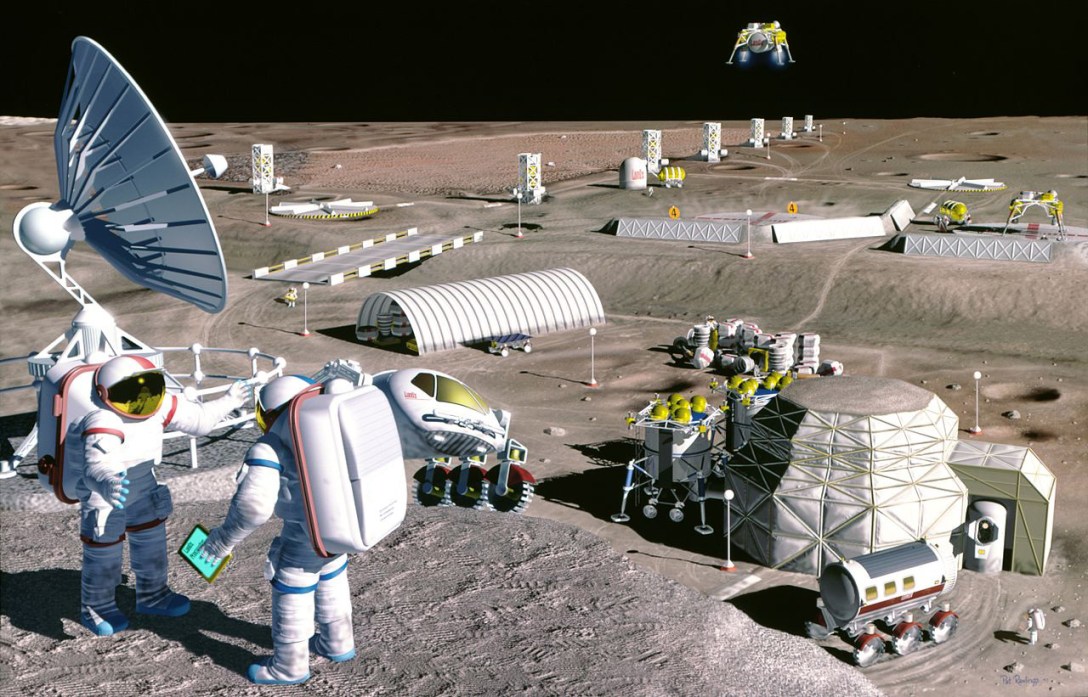
Astronauts will get dumber on their way to Mars

For enthusiasts of space travel, the bad news keeps coming. A new study, just published in Science Advances, finds that the smartest humans who will be chosen to go to Mars may not remain smart by the time they reach their destination (if at all they do).

We have known for a long time that leaving our cushy planet is fraught with problems. Space may be largely empty, but it’s filled up with invisible charged particles traveling at nearly the speed of light. Earth’s magnetic field deflects these particles, but space travelers will inevitably be exposed to such radiation. And the new study predicts that it will cause rapid and permanent damage to the brain.

Read more on Quartz, published May 1, 2015.

Image credit: NASA